
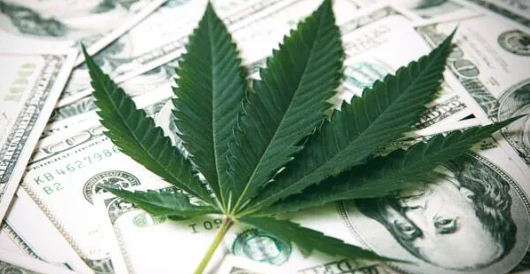
Once upon a time, weed was rebellion. It was medicine. It was a community. Once it was ours.
Now, it’s marketing decks, shareholder calls, and quarterly targets. The same plant that once united outlaws, artists, and healers has been gutted and repackaged by suits who never rolled a joint in their lives.
Corporate cannabis has arrived — and in its chase for profits, it’s bulldozing the very culture that built this industry from the dirt up.
Let’s call it what it is: a hostile takeover of a grassroots movement.
The Roots of Cannabis Culture: Built on Sacrifice and Solidarity
Long before the Fortune 500s and celebrity-endorsed gummies, there were growers, caregivers, and patients — the real ones.
These were the people who risked their freedom — and often lost it — to make sure someone’s grandma could sleep through the night, or a veteran could get relief without a prescription pad. They built the foundation of modern cannabis with blood, sweat, and felony charges.
There were no VC checks, influencer rollouts, or “strategic mergers.” Just farmers, activists, and outlaws driven by love for the plant and its power to heal and connect.
That was culture — not marketing. Not “vertical integration.” Just real people and real weed.
The Corporate Cannabis Invasion: When the Suits Showed Up
The moment legalization became reality, the sharks started circling. Cannabis went from counterculture to commodity overnight.
The same government that locked people up for decades suddenly became open to “tax revenue.” And the same corporations that once funded anti-weed propaganda started quietly investing in dispensaries.
The shift was fast — and brutal.
Corporate cannabis didn’t care about community or plant medicine — it cared about control. Cannabis became just another “consumer category.” Strip away the character, polish the packaging, and sell the illusion of authenticity.
They came with buzzwords like “synergy” and “scalability.” But what they really meant was monopoly.
The Death of Authenticity: Weed Without a Soul
Walk into a corporate dispensary today and it’s all the same: sterile walls, bright lights, and a “menu experience” that feels more like ordering from Starbucks than visiting your local grower.
Everything’s pre-packaged, polished, and perfectly safe — and perfectly boring.
Corporate cannabis brands spend more on marketing than cultivation. They talk about “innovation,” but their products are mass-produced and flavorless. Their “craft” flower might as well come with a QR code for loyalty points.
The worst part? A whole new generation of consumers now believes this is what cannabis is supposed to be.
But weed was never supposed to be corporate. It was supposed to be culture.
The Erasure of Legacy Operators: Disrespect in Disguise
Corporate suits love to talk about “social equity,” but let’s be real — they only bring it up when it makes for a good press release.
The same legacy operators who paved the way are now being priced out, regulated out, or bullied out. They’re forced to jump through endless hoops just to survive, while billion-dollar corporations collect licenses like Pokémon cards.
Meanwhile, the true pioneers — activists, growers, and legacy brands — are being erased from their own story.
We see “founders” taking credit for cannabis movements they never lifted a finger for. We see “authentic” branding slapped on generic flower.
That’s not equity. That’s exploitation with better PR.
The Real Cost of Corporate Cannabis: Quality, Trust, and Culture
When corporations take over a culture, everything becomes transactional. And with cannabis, that’s dangerous.
Weed isn’t just a product — it’s plant medicine, connection, and community. But under corporate control, it’s treated like any other consumer good — optimized for shelf life and profit margins, not terp profiles or healing power.
The consequences?
- Quality suffers. Mass production and chemical shortcuts kill craft.
- Trust erodes. When every brand sounds the same, authenticity becomes rare — and priceless.
- Communities get shut out. Legacy operators can’t compete with million-dollar VC backing.
It’s not just a market shift — it’s a moral failure.
The Illusion of Legitimacy: When PR Replaces Passion
Corporate cannabis sells the illusion of legitimacy — glossy ads, celebrity endorsements, and “mission statements” about community.
But you can’t buy credibility.
The people who built this industry did it when it was illegal. They didn’t have investors — they had conviction. They didn’t have marketing agencies — they had each other.
That’s why the legacy market will always have something corporate cannabis never can: authentic roots.
Normalization without acknowledgment is erasure. You can’t legalize cannabis without honoring the people who fought for it.
Legacy vs. Monopoly: The Battle for Cannabis’ Soul
This isn’t just business — it’s about values.
Legacy operators believe in craft, community, and culture. Corporate cannabis believes in volume, valuation, and vertical integration.
It’s David versus Goliath — except this time, David’s buried under compliance fees and 280E tax codes.
But don’t count the legacy market out.
The corporations might have the money, but they don’t have the heart. The best genetics, real innovation, and authentic storytelling still come from legacy players.
People are waking up — realizing that just because something’s legal doesn’t mean it’s legit.
The Consumer’s Role: Vote With Your Dollar
Here’s the truth: the market listens to money.
If you’re tired of corporate cannabis, stop funding it. Buy from brands that actually give a damn. Support dispensaries that source from local growers and legacy operators. Follow companies that tell the truth — not just the ones that tell you what you want to hear.
Ask questions:
- Who grew your weed?
- Where did it come from?
- Who profits from your purchase?
Every dollar is a vote — and the culture depends on how you cast it.
Reclaiming the Roots: A Path Forward for Real Cannabis Culture
It’s not too late to save the soul of cannabis. But it starts with reclaiming the culture.
That means:
- Honoring legacy operators who risked everything.
- Pushing for fair regulation that doesn’t crush small businesses.
- Educating consumers on what real cannabis looks, smells, and feels like.
- Building authentic media that holds corporations accountable.
Culture doesn’t die unless we let it — and if there’s one thing the cannabis community knows, it’s how to fight back.
We’ve done it before. We’ll do it again.
The Fire Still Burns
Cannabis has survived a century of propaganda, prohibition, and persecution. It won’t be killed by boardrooms and buzzwords.
The suits might think they’ve won — but culture always finds a way. The spirit of the plant, and the people who love it, will outlast every corporate clone that tries to replace it.
So light up, stand tall, and stay true.
Because this isn’t just business.
It’s a movement.
And the movement still belongs to the people.
Follow and Like:
Instagram: @ruderequipment
LinkedIn: Ruder Equipment