
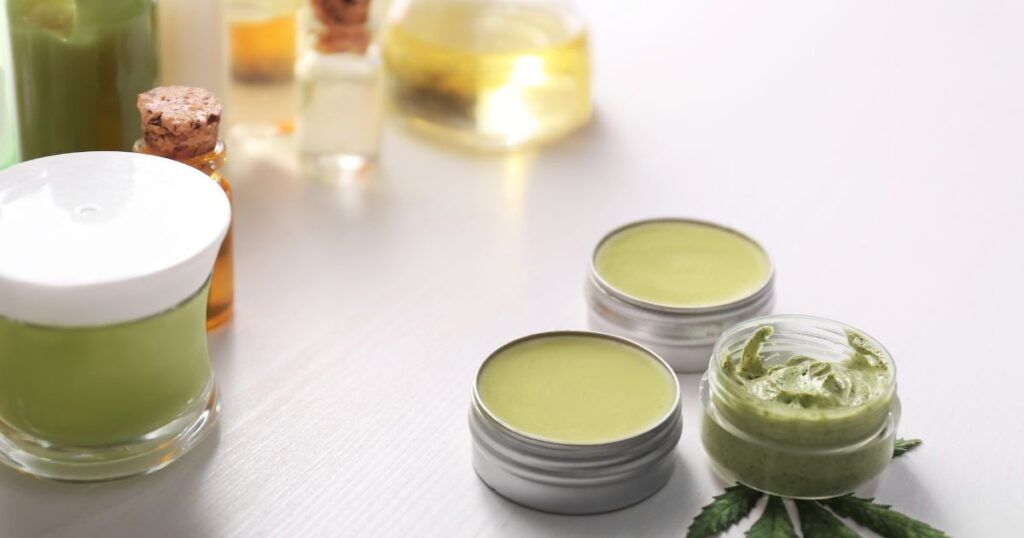
For thousands of women battling hormone-positive breast cancer, the journey to recovery often comes with a steep physical price. While modern medicine has developed powerful drugs to prevent cancer recurrence, these life-saving treatments frequently bring debilitating side effects that can make daily life agonizing. Some are exploring alternative treatments, such as using cannabis for Aromatase Inhibitor-Associated Musculoskeletal Syndrome (AIMSS) symptom relief, to alleviate these debilitating side effects.
Recent findings suggest that topical cannabis balms containing THC and CBD could provide the relief that traditional pharmaceuticals have failed to offer, potentially offering a new era of hope for survivors suffering from (AIMSS) in silence.
The Hidden Cost of Survival: What is AIMSS?
The drugs in question are Aromatase Inhibitors (AIs), such as anastrozole, letrozole, and exemestane. These medications are the gold standard for treating postmenopausal women with hormone receptor-positive breast cancer because they effectively starve cancer cells by suppressing estrogen production. While they are incredibly effective at keeping cancer at bay, they come with a condition known as Aromatase Inhibitor-Associated Musculoskeletal Syndrome, or AIMSS.
AIMSS is not merely a minor ache; it causes severe joint pain, profound stiffness, and bone pain that often affects the hands, wrists, knees, hips, and lower back. The mechanism is linked to the very estrogen deprivation that fights the cancer, as estrogen plays a key role in modulating pain perception.
Tragically, nearly two-thirds of women taking AIs experience these symptoms, and for many, the pain is so unbearable that they stop taking their cancer medication entirely. This leads to a heartbreaking choice between living in constant pain or increasing the risk of cancer returning. Current treatments like exercise, acupuncture, or additional drugs like Duloxetine often provide inadequate relief or come with their own unpleasant side effects.
A New Hope? The Topical Cannabis Study
Recognizing the desperate need for better supportive care, researchers led by Dr. Dylan Zylla at the HealthPartners Institute Cancer Research Center and the University of Minnesota launched a randomized trial to test the efficacy of cannabis topicals.
Published last month in Cannabis and Cannabinoid Research, the study aimed to see if applying cannabis balm containing THC and CBD directly to the skin could alleviate the inflammation and pain associated with AIMSS without the psychoactive effects of smoking or ingesting marijuana.
The researchers recruited women with stage 1 to 3 breast cancer who were currently taking Aromatase Inhibitors and experiencing significant hand and wrist pain. The participants were divided into two groups, with one group receiving a CBD-dominant balm and the other receiving a THC-dominant balm.
For two weeks, these women applied the balm three times a day to their hands and wrists. Following this initial phase, the participants were allowed to choose their preferred balm for an additional two-week extension period. The study was designed not just to test if the balms worked, but to ensure they were feasible and well-tolerated by patients who might be new to cannabis products.
Cannabis Balms for AIMSS Relief Emerge as a Powerful Ally
The results of the trial were nothing short of remarkable. An impressive 86 percent of all participants reported an improvement in their pain and stiffness scores after just two weeks of using the balms.
While both the CBD and THC formulations provided relief, the THC-dominant balm showed a distinct advantage in efficacy. Fifty percent of the women using the THC balm reported a greater than 50 percent improvement in their symptoms, compared to only 18 percent in the CBD group.
Perhaps most importantly for patients concerned about impairment, the study found that the topical application did not lead to systemic absorption of THC. Blood tests confirmed that no THC was detected in the plasma of the participants, meaning the women experienced the therapeutic, pain-relieving benefits of the cannabinoid without any psychoactive “high.”
This is an important finding for patients who need to drive, work, and function normally while managing their pain. The study also confirmed that the balms did not interfere with the Aromatase Inhibitors or raise estrogen levels, ensuring the cancer treatment remained effective.
The Irony of Legal Medicine vs. Natural Relief
Despite these promising results, the study highlights a frustrating irony in the American healthcare landscape. Aromatase Inhibitors are federally legal, FDA-approved, and widely prescribed, yet they cause a syndrome so painful that patients frequently abandon them.
Conversely, the treatment that appears to effectively mitigate this pain—cannabis—remains federally illegal and classified as a Schedule I substance alongside heroin, currently as of writing this.
This legal contradiction places an undue burden on patients. To participate in the study or access these treatments outside of a trial, women must navigate the complex and often expensive hurdles of state medical cannabis programs.
The fact that a plant-based, topical remedy with a high safety profile is harder to access than opioids or synthetic pharmaceuticals speaks to the outdated nature of federal cannabis prohibition. This study’s patients found relief through a state-approved dispensary, demonstrating that removing barriers to access can significantly improve quality of life.
A Hopeful Horizon for Cannabis-Based Cancer Symptom Relief
This study serves as a powerful validation for the medical potential of cannabis. It moves the conversation beyond anecdotal evidence and places THC and CBD firmly in the realm of clinical science. For breast cancer survivors, the data offers a tangible sense of hope that they do not have to endure AIMSS in silence or choose between their comfort and their survival.
As researchers call for larger, placebo-controlled trials to further confirm these findings, the message to the medical community is clear. Integrative therapies involving cannabis are not just alternative options; they are viable, effective treatments that address unmet needs in cancer care. It is time for regulations to catch up with the science so that every patient has the freedom to access the relief they deserve.